
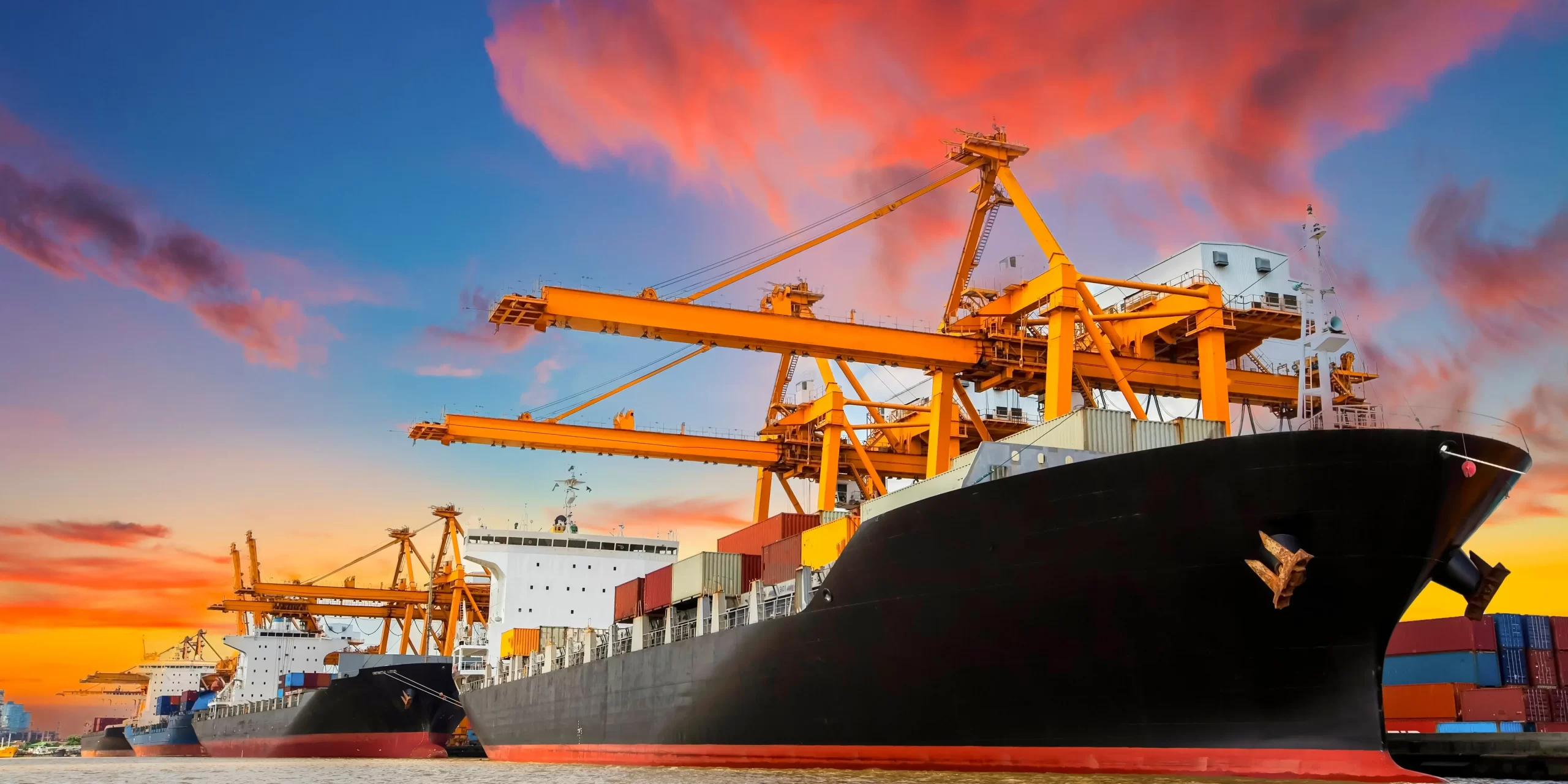
International commodity trade between Asia and South America closed 2025 with strong results and clear signs of structural consolidation. The intensification of trade flows—especially in agricultural, mineral, and energy commodities—reinforced the interdependence between the two regions and laid solid foundations for sustainable growth in 2026. This favorable environment has benefited companies specialized in import and export operations, such as DirYoung Group Brazil, which operates across all stages of international trade, offering comprehensive solutions for global commercial transactions. Asian demand continues to support South American exports Throughout 2025, Asian countries—led by China, India, South Korea, and Southeast Asian economies—maintained strong demand for strategic commodities. Soybeans, corn, meat, iron ore, copper, and crude oil ranked among the main products imported from South America. This movement was primarily driven by food security needs, industrial expansion, and long-term energy planning. As a result, South American countries, especially Brazil, increased their presence in Asian markets, consolidating their position as reliable and competitive global suppliers. In addition, the diversification of export destinations helped reduce commercial risks and improved trade balance stability, further strengthening South America’s role in global trade. Reverse trade flows bring technology and modernization While South America exports commodities, Asia remains a major supplier of industrial goods, machinery, equipment, and technological solutions. This reverse flow has played a crucial role in the modernization of productive sectors, logistics infrastructure, and industrial value chains across South America. As a result, trade relations extend beyond the exchange of goods, fostering economic development, operational efficiency, and deeper integration into global value chains. Companies like DirYoung Group Brazil play a strategic role in this process by structuring secure, efficient, and fully compliant international operations, facilitating business between markets with different regulatory, logistical, and cultural requirements. Specialized trade services gain prominence The expansion of commodity trade has significantly increased demand for specialized international trade services. Logistics planning, contract structuring, international compliance, risk analysis, incoterm negotiation, and document management have become decisive factors for successful operations. Within this context, DirYoung Group Brazil positions itself as a strategic partner for companies and investors, offering end-to-end import and export services, from commercial sourcing to full execution of international transactions. This integrated approach ensures greater predictability, risk mitigation, and optimized results—particularly in medium- and large-scale international operations. Positive outlook for 2026 Projections for 2026 indicate continued strengthening of trade relations between Asia and South America. Commodity flows are expected to grow steadily, driven by infrastructure investments, trade agreements, logistics innovation, and increased professionalization of international trade. Moreover, growing cooperation among emerging markets is expected to create new opportunities for companies prepared to operate in complex and dynamic global environments. With technical expertise, strategic vision, and global reach, DirYoung Group Brazil aligns itself with this momentum and stands ready to contribute to the next phase of international trade—connecting markets, creating value, and fostering long-term growth. For Krysner Jebyos Neves – Business developer at DirYoung Industrial Group Brazil.
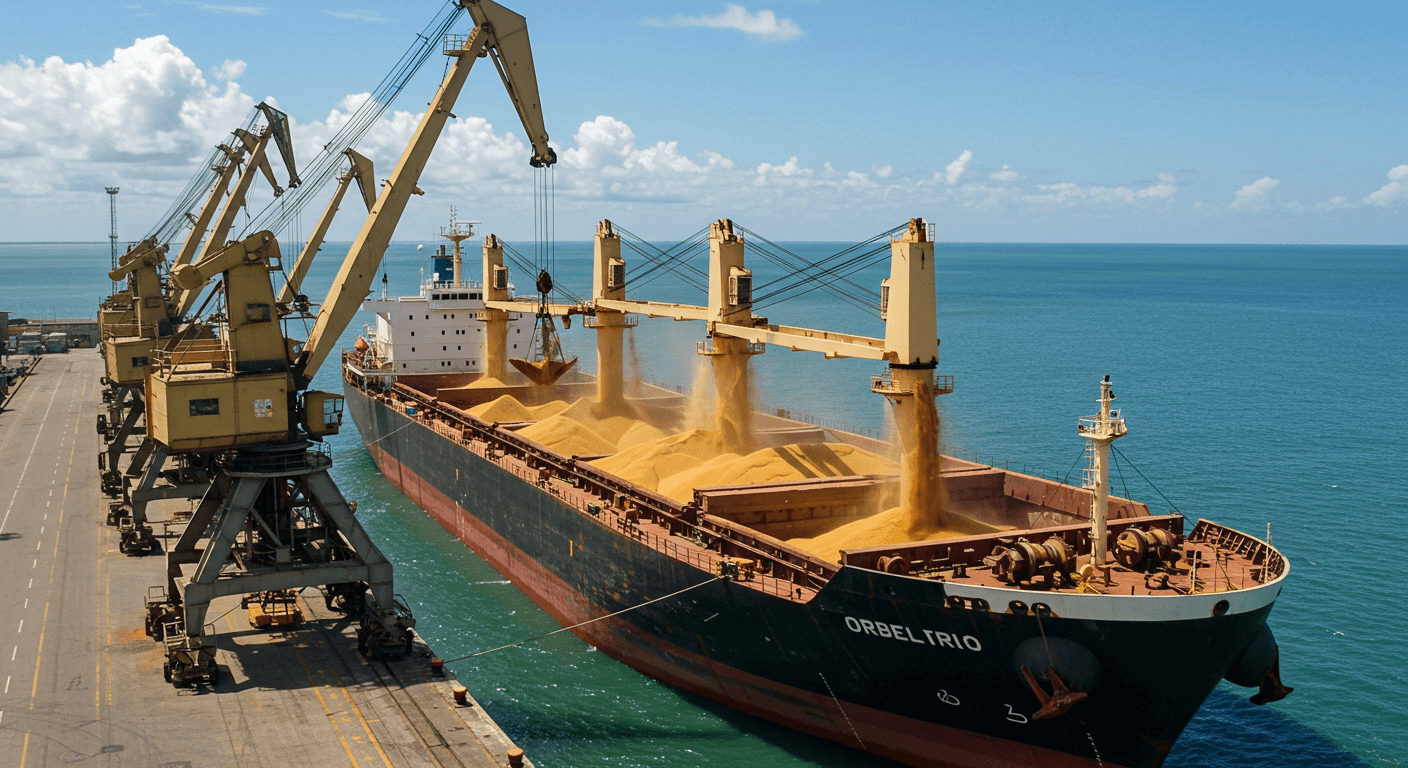
Brazil and Asia: The “Perfect Marriage” in Commodities Trade
O boom das exportações brasileiras e a fome da Ásia por commodities O agronegócio brasileiro está em ascensão, com safras recordes de soja, milho e carnes, consolidando o país como um dos maiores exportadores agrícolas do mundo. Enquanto isso, a Ásia, liderada pela China, enfrenta um déficit comercial crescente, criando uma relação de complementaridade econômica que os especialistas chamam de “casamento perfeito”. Nesse cenário, empresas especializadas em comércio exterior como a DirYoung Industrial Group Brasil desempenham um papel estratégico, conectando produtores latino-americanos com compradores asiáticos e norte-americanos, oferecendo serviços que vão desde a negociação de commodities até o frete marítimo. Brasil e América Latina: Superávit recorde no agronegócio Segundo Marcos Jank , coordenador do núcleo Agro Global do Insper , o Brasil caminha para fechar a safra de 2025 com números históricos: 171 milhões de toneladas de soja e 130 milhões de toneladas de milho, além de altos preços de carnes bovina, suína e de aves. Esse desempenho coloca a América Latina como a região com o maior superávit comercial agrícola do mundo, ultrapassando US$ 200 bilhões, sendo US$ 120 bilhões provenientes somente do Brasil. Enquanto isso, a Ásia registra o maior déficit, criando uma oportunidade única para empresas importadoras e exportadoras. Ásia como um mercado-chave e o papel das empresas de comércio exterior A demanda da Ásia por commodities agrícolas — como grãos, carnes e celulose — abre espaço para empresas como a DirYoung Industrial Group, que serve de ponte entre os produtores brasileiros e os importadores chineses e norte-americanos. Além disso, a logística internacional é um fator crítico nesse processo. Com expertise em frete marítimo, a DirYoung garante que os produtos cheguem aos seus destinos com rapidez e segurança, atendendo aos requisitos regulatórios da China e dos EUA. Uma janela de oportunidade para o comércio exterior Este é um momento de expansão acelerada para o agronegócio brasileiro, com a Ásia como principal destino. Empresas especializadas em comércio exterior, compra e venda de commodities e transporte marítimo estão no centro dessa transformação, facilitando negócios bilionários e impulsionando a economia global. Para players do setor como o DirYoung Industrial Group, a mensagem é clara: o futuro do agronegócio está na América Latina, e a conexão com a Ásia é o caminho para o crescimento sustentável. Sobre o Grupo Industrial DirYoung Brasil Especializada em comércio exterior, negociação de commodities e frete marítimo, a DirYoung atua como parceira estratégica para empresas que buscam expandir seus negócios entre o Brasil, a Ásia e os EUA. Com rigoroso cumprimento de normas e expertise em logística internacional, a empresa garante transações seguras e eficientes em um mercado global em constante crescimento. Por Krysner Jebyos Neves – Desenvolvedor de negócios na DirYoung Industrial Group Brasil.
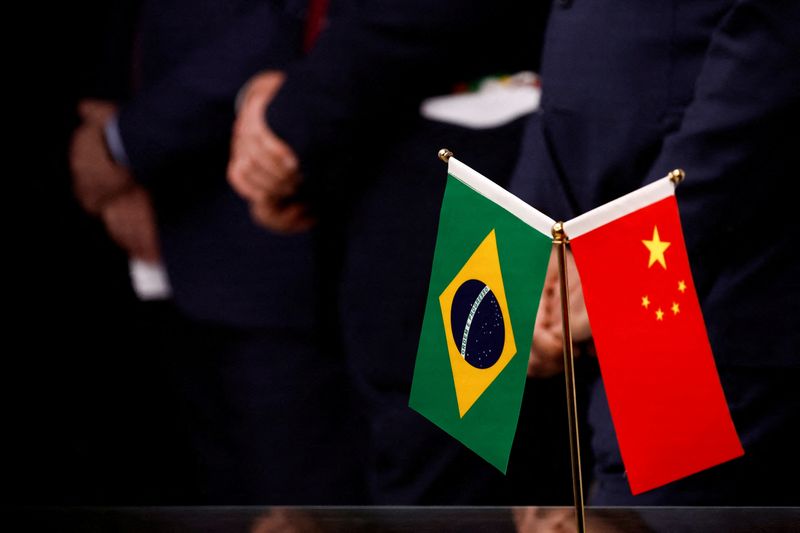
U.S.-China Trade War Opens Asian Market for Brazilian Exports
Brazil as a Key Player in Global Trade Amid the escalating trade war between the United States and China, Brazil has emerged as one of the major beneficiaries of the ongoing realignment of global supply chains. Following the Trump administration’s announcement of new tariffs on Chinese goods—and Beijing’s retaliatory measures—analysts are forecasting a significant rise in Brazilian exports to Asia, particularly in key commodities such as soybeans, beef, corn, and cotton. DirYoung Industrial Group Brazil, a company specializing in foreign trade and international logistics, emphasizes that this is the ideal time for Brazilian businesses to strengthen their operations with China and other Asian markets. China: Brazil’s Largest Trade Partner Poised for Even Stronger Ties According to consulting firm MB Associados, the trade volume (sum of imports and exports) between Brazil and China is already double that of Brazil–U.S. trade—and this gap is expected to grow. “It won’t be surprising to see trade between China and Brazil reach USD 200 billion, while trade with the U.S. may fall to USD 60 billion. What was once double could become triple in just a few years,” the report states. With China imposing high tariffs on U.S. goods such as soy, meat, and cotton, Brazil naturally becomes a preferred supplier to meet Asian demand. A recent report by Santander echoes this perspective: “Rising tensions between the U.S. and China are likely to drive Beijing to buy more grains and proteins from Brazil, boosting both domestic demand and prices.” Southeast Asia and Japan: Emerging Growth Markets Beyond China, other Asian economies—such as Vietnam, Indonesia, and Japan—are becoming strategic destinations for Brazilian exports. The National Confederation of Industry (CNI) underscores the need for Brazil to diversify its trade partners to reduce dependency and seize new opportunities. Key Products Gaining Momentum: • Soybeans (Brazil could export an additional USD 10 billion per year to China, according to MIT simulations) • Meats (beef and chicken, with growing Chinese demand) • Cotton and Corn (direct substitutes for U.S. products hit by tariffs) • Oil and Sugar (rising imports in Southeast Asia) Maritime Freight and Logistics: Challenges and Opportunities As exports grow, so does the demand for maritime freight services. DirYoung Industrial Group Brazil provides integrated solutions for transport and customs clearance, ensuring speed and security in operations between Brazil and Asia. “Companies that invest in efficient logistics and strategic partnerships will gain a competitive edge in this high-demand scenario,” says Sérgio Silva, the company’s Senior Manager. Brazil Must Act Swiftly to Secure Its Advantage While the U.S. and China engage in their tariff war, Brazil has a unique window of opportunity to expand its presence in the Asian market. DirYoung Industrial Group Brazil stresses the importance of agile strategies and solid trade partnerships to capitalize on this momentum. “Those who quickly adapt to global trade shifts will emerge stronger. The time is now,” concludes Ms. Xiaoxia Huang Campos, Global President of DirYoung. By Krysner Jebyos Neves About DirYoung Industrial Group Brazil Specializing in foreign trade, commodity trading, and maritime freight, the company facilitates efficient and competitive operations between Brazil and Asia. Website: https://dybusinessglobal.com/ Sources Consulted: MB Associados, Santander, CNI, MIT, Brazilian Confederation of Agriculture and Livestock (CNA).

Coffee Prices Plummet in New York Despite Decline in Brazilian Exports
Falling Coffee Prices: What Does It Mean for Foreign Trade? Coffee prices experienced a sharp decline on the New York Stock Exchange this Friday (March 14), with futures contracts dropping 2.20% to US$ 3.7720 per pound. This drop occurred despite a reduction in exports from Brazil, the world’s largest producer of Arabica coffee. This fluctuation in the international market has significant implications for players in foreign trade, particularly importers and exporters of agricultural commodities. According to data from Barchart, expectations of rain in Minas Gerais, Brazil’s main Arabica coffee-producing region, contributed to the downward pressure on prices. Additionally, Brazilian coffee exports fell for the third consecutive month, with a 10.4% decline in February 2025 compared to the same period the previous year. Declining Exports, but Rising Profits Despite the drop in export volume, the sector’s profits grew by an impressive 55.5%, reaching approximately US$ 1.2 billion. This phenomenon can be attributed to the increase in international coffee prices, which recently reached near-record levels. However, Márcio Ferreira, president of Cecafé (Brazilian Coffee Exporters Council), warned that these price hikes have not yet been fully passed on to end consumers, which could impact global demand in the future. Exports of green coffee, which account for the majority of total volume, fell by 11.7%, while Robusta exports saw a sharp decline of 60.1%. On the other hand, sales of processed coffee, primarily soluble, increased by 6.8%, indicating a shift in international market preferences. Key Markets Decline, but Some Positive Highlights The two main destinations for Brazilian coffee, the United States and Germany, saw declines of 12.25% and 29.39%, respectively. However, countries such as Italy, Japan, Turkey, and Spain showed growth in imports, with Spain standing out with a 91.34% increase. Hamburg, Germany, remained the primary destination port for Brazilian coffee, followed by Antwerp, New Orleans, and Genoa. These figures highlight the importance of diversifying markets and seeking opportunities in regions with growing demand. Outlook for Coffee Foreign Trade Márcio Ferreira emphasized that the 2025/26 harvest is expected to be smaller for Arabica coffee but larger for Robusta. This shift in production could influence prices and Brazil’s competitiveness in the global market. For 2026/27, a recovery is anticipated, provided that weather conditions are favorable. However, the current scenario requires attention. Rising retail prices could reduce global consumption, directly impacting exporters. Additionally, financial difficulties faced by some major market players may create instability in the sector. Conclusion: Opportunities and Challenges for International Trade The drop in coffee prices in New York and the decline in Brazilian exports underscore the volatility of the commodities market. For foreign trade professionals, it is essential to monitor global trends, diversify markets, and seek strategies to minimize risks associated with price fluctuations. While coffee remains one of Brazil’s main export products, adapting to changes in the international landscape will be crucial to maintaining competitiveness and ensuring sustainable growth in the sector. By DirYoung Group Brazil Communications Office.

Women in Agribusiness: Leadership, Innovation, and Sustainability in International Trade
Brazilian agribusiness is undergoing a quiet revolution, led by women who are transforming the sector with competence, innovation, and sustainability. On International Women’s Day, celebrated on March 8th, it is impossible not to recognize the impact of women in a historically male-dominated field. Companies like DirYoung Industrial Group Brazil, specialized in international trade of import and export, are closely following this evolution, connecting Brazilian agribusiness to the world. The Rise of Women in Agribusiness: In recent years, the number of women managing rural properties has grown significantly. Whether through family succession or professional choice, they are taking on strategic roles, implementing technologies, leading teams, and developing sustainable practices. This shift not only strengthens the sector but also opens new opportunities for international trade. DirYoung Insdustrial Group Brazil, with expertise in import and export, recognizes the potential of these leaders. “Brazilian agribusiness is one of the most competitive in the world, and the participation of women brings a detailed and innovative perspective, essential to meet global demands,” says a company representative. Inspiring Stories: Women like Fernanda Costabeber and Sônia Bonato exemplify this transformation. Fernanda, who took over the management of a farm in Rio Grande do Sul in Brazil, implemented governance protocols and brought a feminine perspective to cattle farming. Meanwhile, Sônia, after moving to a property in Goiás, revolutionized farm administration, earning international certifications and exporting soybeans to the Netherlands. These stories reflect the importance of policies that promote gender equity in agribusiness. DirYoung Industrial Group Brazil supports this cause by facilitating connections between rural producers and global markets, ensuring that Brazilian products reach destinations like China, one of Brazil’s key trading partners. Sustainability and International Trade: Sustainability is one of the pillars of modern agribusiness, and women have been at the forefront of this movement. With certifications such as CRS (Certified Responsibility Standards) and quality seals, properties led by women are gaining space in demanding markets, such as China. DirYoung Industrial Group Brazil plays a crucial role in this process, offering comprehensive foreign trade services, from logistics to compliance with international standards. “China is a strategic market for Brazilian agribusiness, and we are committed to ensuring our clients meet all the requirements of the Chinese government,”explains a company expert. Challenges and Opportunities: Despite the progress, women still face challenges, such as wage inequality and lack of recognition. However, determination and the pursuit of knowledge have been powerful tools to overcome these barriers. For companies like DirYoung Industrial Group Brazil, investing in the training of women in agribusiness is essential. “We believe that diversity strengthens the sector and opens doors to new opportunities in international trade,” emphasizes a company representative. The women-led revolution in agribusiness is just beginning. With leadership, innovation, and sustainability, women are transforming the field and conquering global markets. DirYoung Industrial Group Brazil is proud to be part of this journey, connecting Brazilian agribusiness to the world and promoting gender equity in the sector. By DirYoung Group Brazil Communications Office.
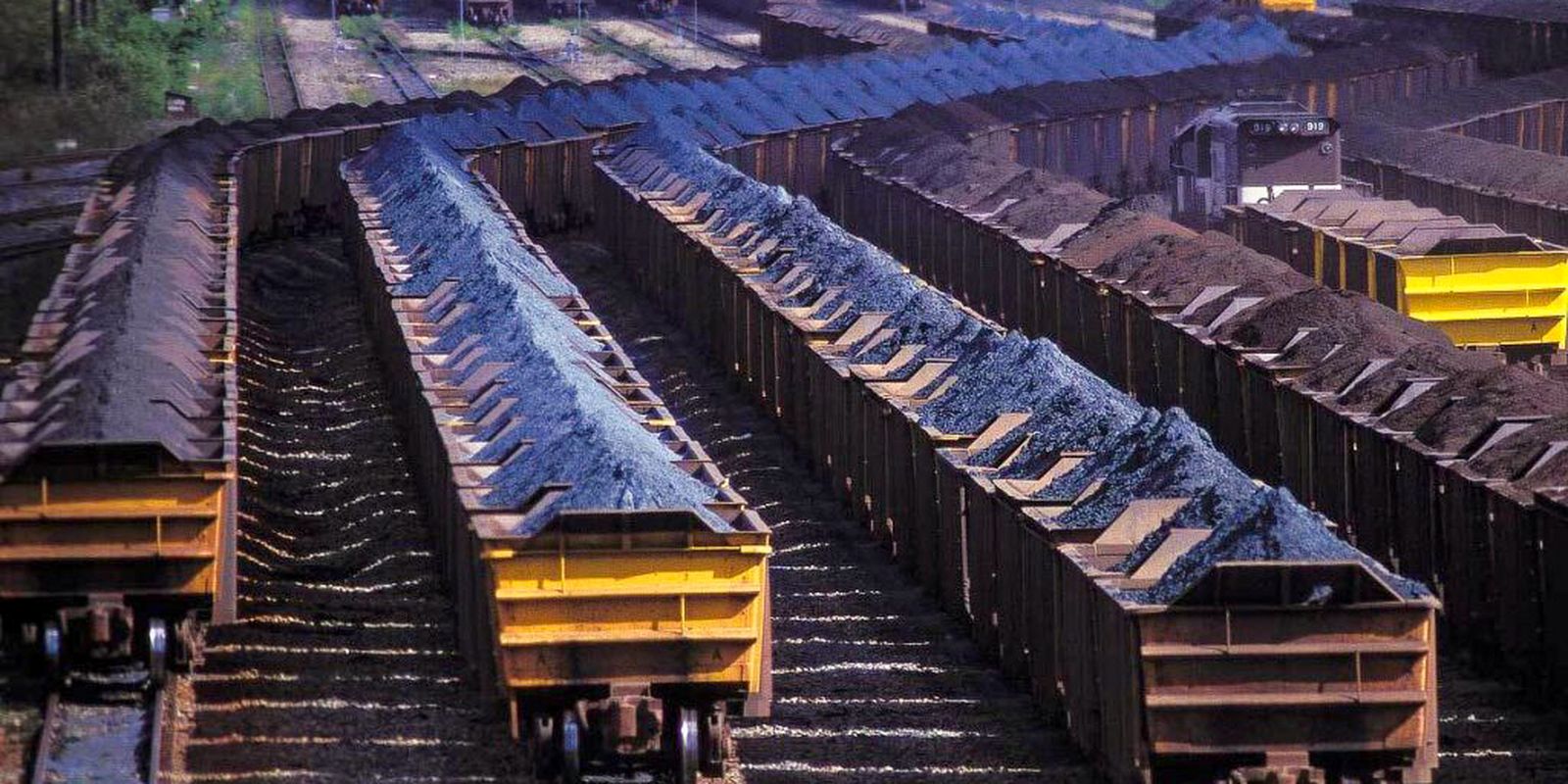
Facilitating International Trade in Minerals with Efficiency and Sustainability
DirYoung Industrial Group Brazil: Connecting Brazil to the World in Mineral Trade Brazil solidifies its position as one of the global leaders in the mineral sector, particularly in the export of iron ore, bauxite, and nickel. This growth is fueled by international demand, especially from China, which relies on these resources to support its industrial production and infrastructure. In this context, DirYoung Industrial Group Brazil emerges as a strategic partner for companies looking to expand their businesses in international trade, offering comprehensive import and export services aligned with global regulations and sustainability practices. China as the Driving Force Behind Brazilian Mineral Exports China is undoubtedly the primary destination for Brazilian mineral exports. With an ever-expanding economy, the Asian nation demands large volumes of iron ore, bauxite, and nickel to supply sectors such as construction, automotive manufacturing, and battery production for electric vehicles. In 2023, Brazilian mineral exports reached US$ 42.98 billion, accounting for 32% of the country’s trade surplus. DirYoung Industrial Group Brazil plays a crucial role in this trade relationship, acting as a facilitator between Brazilian producers and Chinese importers. The company ensures that all transactions comply with Chinese government policies while providing logistical solutions and personalized consulting to optimize export processes. Trade Surplus and Economic Impact The mineral sector is one of the pillars of the Brazilian economy, significantly contributing to the trade surplus and tax revenue. In 2023, revenue from the Financial Compensation for Mineral Exploration (CFEM) reached R$ 6.86 billion, underscoring the strategic importance of the sector. DirYoung Industrial Group Brazil supports this growth by offering services ranging from customs clearance to managing complex logistics chains. With a specialized team and a global network of partners, the company ensures that Brazilian minerals reach international markets quickly and securely. Sustainability: A Commitment to the Future In addition to driving international trade, DirYoung Industrial Group Brazil is committed to sustainable practices and social responsibility. The mining sector has faced increasing demands for environmentally responsible practices, and the company collaborates with producers who adopt sustainable extraction methods, aiming to minimize environmental impact and promote natural resource conservation. This approach not only meets the expectations of international markets but also strengthens Brazil’s image as a reliable and conscientious supplier. DirYoung Industrial Group Brazil believes sustainability is a competitive advantage in global trade and invests in solutions that align economic growth with environmental preservation. Why Choose DirYoung Industrial Group Brazil? With extensive experience in international trade, DirYoung Industrial Group Brazil stands out by offering: Specialized consulting: Market analysis, strategic planning, and support in international negotiations. Integrated logistics: Efficient and secure transportation, storage, and distribution. Regulatory compliance: In-depth knowledge of Chinese and other strategic markets’ trade policies. Focus on sustainability: Partnerships with producers adopting environmentally responsible practices. The international trade of minerals is one of the main drivers of the Brazilian economy, and DirYoung Industrial Group Brazil is at the forefront of this movement. With expertise, technology, and a commitment to sustainability, the company facilitates the connection between Brazilian producers and global markets, particularly China, ensuring that business is conducted efficiently and responsibly. For companies seeking to expand their operations in international trade, DirYoung Industrial Group Brazil is the ideal partner, offering complete and customized solutions for every challenge. By DirYoung Group Brasil Communications Office.
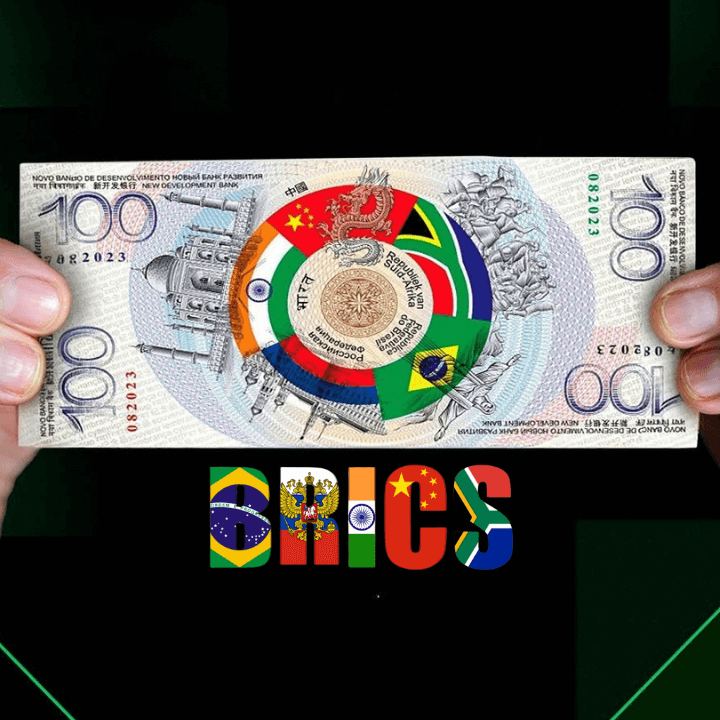
New BRICS Currency: Understand the Project that Could Change the Global Economic Scenario
The BRICS economic bloc, composed of Brazil, Russia, India, China, and South Africa, is at the center of a debate that could reshape the global financial landscape. The proposal to create a new common currency, possibly digital, aims to facilitate trade transactions among member countries and reduce dependence on the U.S. dollar. But what are the details of this project? And how could it impact the global economy? What is BRICS, and Why a Common Currency? BRICS brings together five of the world’s largest emerging economies, representing approximately 42% of the global population and 24% of the world’s GDP. The idea of a common currency emerges as a strategy to strengthen economic cooperation among member countries while challenging the dominance of the U.S. dollar, which currently prevails in international trade and global currency reserves. The proposal includes the possibility of a digital currency, known as a Central Bank Digital Currency (CBDC), which promises faster, more secure, and cost-effective transactions. This innovation could facilitate trade within the bloc and enhance its influence on the international economic stage. Challenges and Resistance to the Project Despite its potential benefits, the creation of a common currency faces significant obstacles. One of the main challenges is harmonizing fiscal and monetary policies among member countries, which have vastly different economies and political systems. Additionally, there is resistance from nations that view BRICS as a threat to the stability of the U.S. dollar and America’s economic hegemony. Recently, the U.S. government, under Donald Trump’s leadership, expressed opposition to the proposal, threatening to impose 100% tariffs on products from BRICS countries if they proceed with the currency initiative. This stance reflects concerns over the possible weakening of the dollar and the loss of U.S. global influence. Impact on International Trade and Commodities The implementation of a BRICS common currency could revolutionize international trade, particularly in the commodities market. Currently, products such as oil, gas, and precious metals are primarily traded in U.S. dollars. With a new currency, BRICS nations could reduce this dependency, increasing transaction stability and predictability. Furthermore, the BRICS currency could be used as a reserve asset, diversifying member countries’ financial portfolios and mitigating risks associated with reliance on a single currency. This shift could also help bypass economic sanctions, such as those imposed on Russia following its invasion of Ukraine. Advantages for the Global Population The BRICS currency would not only benefit member nations. For the global population, especially in emerging and developing countries, reducing dependence on the U.S. dollar could bring greater economic stability and protection against exchange rate fluctuations. Additionally, facilitating international trade could lead to lower prices and improved access to goods and services. A Promising Future for International Trade Although still in the discussion phase and surrounded by challenges, the creation of a common BRICS currency represents a unique opportunity for companies such as DirYoung Industrial Group Brasil, which operates in international import and export trade. A digital common currency could simplify and accelerate commercial transactions, reduce operational costs, and minimize risks associated with dollar exchange rate fluctuations. For DirYoung, which already has a strong presence in emerging markets, the BRICS currency could open doors to more efficient and competitive business opportunities, particularly in sectors such as commodities, technology, and industrial goods. Reducing dollar dependency and facilitating trade among bloc nations could strengthen strategic partnerships and expand access to new markets. As BRICS leaders advance negotiations, DirYoung Industrial Group Brasil envisions a promising future filled with opportunities to drive growth and innovation in international trade. The company remains vigilant to changes and prepared to adapt, reinforcing its commitment to excellence and global expansion. By De Young Group Brasil Communications Office.

Chinese New Year: UNESCO Recognizes the Spring Festival as Intangible Cultural Heritage of Humanity
The Spring Festival, known as the Chinese New Year, is one of the most important celebrations in Chinese culture, recently recognized by UNESCO as Intangible Cultural Heritage of Humanity. This festival, which marks the beginning of the lunar year, is a time for family reunions, ancestral traditions, and vibrant celebrations. For DirYoung Industrial Group Brazil, a leading company in international import and export trade, this event symbolizes not only the cultural richness of China but also the importance of global connection and harmony among peoples. The Significance of the Spring Festival in Chinese Culture: The Spring Festival is much more than a simple celebration; it is a time for reflection, renewal, and strengthening family and community bonds. Traditions such as thorough house cleaning, hanging spring couplets on doors and windows, and family meals reinforce values of unity and respect for ancestors. Additionally, festivities like temple fairs and folk performances convey a message of hope and good fortune for the coming year. For DirYoung Industrial Group Brazil, which operates in international trade, understanding and respecting these traditions is essential. The company not only facilitates the import and export of goods but also promotes cultural exchange between Brazil and China, strengthening commercial and cultural ties between the two countries. UNESCO Recognition and Its Global Impact: The inclusion of the Spring Festival in UNESCO’s Representative List of the Intangible Cultural Heritage of Humanity in December 2024 underscored the importance of this celebration not only for China but for the entire world. According to Zhu Gang, a researcher at the Chinese Academy of Social Sciences, the festival is increasingly being recognized and appreciated by people of different cultures and languages. This global recognition reflects the essence of DirYoung Industrial Group Brazil’s work: connecting people and markets, promoting harmony and mutual understanding. By facilitating international trade, the company contributes to the dissemination of Chinese culture and the creation of bridges that unite different peoples and traditions. Celebrating the Spring Festival Around the World: In recent years, the Spring Festival has gained prominence in various countries, with iconic landmarks such as the Eiffel Tower in France and the Sydney Opera House in Australia illuminated with red decorations, a color symbolizing good luck in Chinese culture. Shops and commercial establishments also adorn themselves with lanterns and offer traditional products, while performances of Chinese opera, dance, and music capture global attention. For DirYoung Industrial Group Brazil, this globalization of the Spring Festival represents a unique opportunity to strengthen commercial and cultural ties between Brazil and China. The company, which offers all services related to international trade, from import and export to logistics and consulting, is committed to promoting Chinese culture and facilitating the exchange of goods and ideas between the two countries. DirYoung Group Brazil and the Future of International Trade: In an increasingly interconnected world, the importance of international trade and cultural exchange has never been more evident. DirYoung Industrial Group Brazil is at the forefront of this movement, offering comprehensive solutions for businesses looking to expand their operations in the global market. With an experienced team and deep knowledge of Brazilian and Chinese cultures, the company is prepared to tackle the challenges of international trade and promote harmony among peoples. UNESCO’s recognition of the Spring Festival is a powerful reminder of the importance of culture and tradition in a rapidly changing world. For DirYoung Industrial Group Brazil, this celebration is an inspiration to continue promoting global connection and mutual understanding through international trade and cultural exchange. The Spring Festival, with its millennia-old traditions and values of unity and harmony, is a perfect example of the cultural richness of China. For DirYoung Industrial Group Brazil, this celebration is more than a festival; it is a symbol of the importance of global connection and cultural exchange. By facilitating international trade and promoting Chinese culture, the company is building bridges that unite Brazil and China, strengthening commercial and cultural ties between the two countries. Source: Unesco By Communication Consultancy DirYoung Industrial Group Brazil.
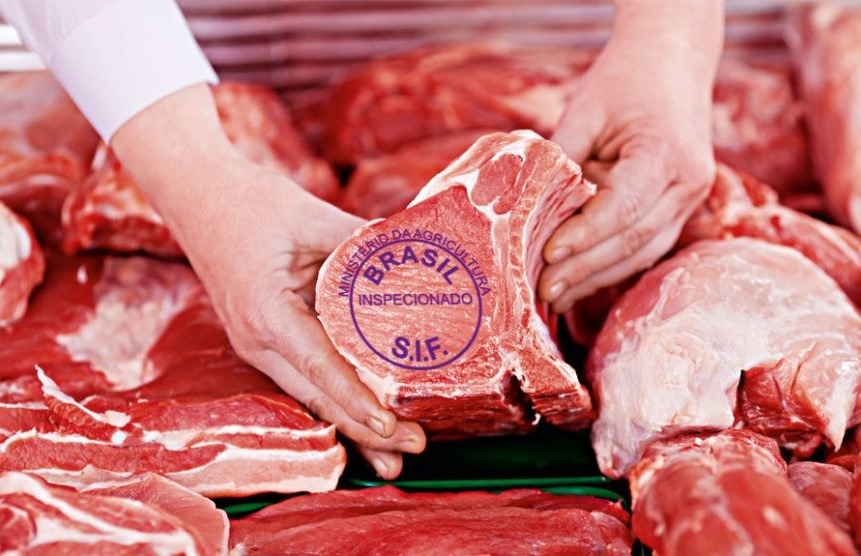
Meat Production in Brazil Breaks Record with 31.5 Million Tons in 2024
In 2024, Brazil reached a historic milestone in meat production, surpassing 31.5 million tons. The data, released by the National Supply Company (Conab) on Monday (27), confirms the highest result ever recorded in the historical series. This achievement was fueled by the peak of the livestock slaughter cycle, with notable contributions from beef, pork, and poultry production. For 2025, Conab projects stable production, with moderate growth in pork and poultry segments. Learn how each sector contributed to this record-breaking year and what to expect in the months ahead. Beef: A Cycle of Change Beef production reached 10.91 million tons in 2024, the highest volume ever recorded by Conab. China remains the leading export destination, accounting for 46% of sales. However, the livestock cycle is expected to enter a slowdown phase. In 2025, producers are likely to retain more female cattle, reducing the number of slaughters. Conab estimates production to reach 10.37 million tons, which would still be the second-highest result in history. Pork: Consistent Growth The pork sector continues to expand, with 5.36 million tons produced in 2024, the highest level ever recorded. Despite reduced demand from China, other markets compensated for the decline. Notable increases include exports to Japan (+131%), Mexico (+51%), and Chile (+29%). In 2025, production is expected to grow by 3.1%, reaching 5.53 million tons, further consolidating Brazil’s position as one of the world’s leading pork exporters. Poultry: Leading the Way With 15.31 million tons produced in 2024, poultry maintained its position as a key contributor to the sector. Although there was an 18% drop in exports to China, demand from countries like Mexico (+23%), Iraq (+18%), and Chile (+44%) offset the decline. For 2025, production is forecasted to rise to 15.66 million tons, with exports estimated at 5.16 million tons. Egg Production: A New Record Ahead Another highlight was egg production, which reached 45.8 billion units in 2024, an 11% increase compared to the previous year. For 2025, moderate growth is expected, with a projected increase of 4.8%, totaling 48 billion units. Sector Outlook The record-breaking year of 2024 marks a significant achievement for Brazil’s livestock sector. However, the industry faces challenges in 2025, including changes in the beef production cycle and fluctuations in global demand. Despite these hurdles, the outlook remains positive, with Brazil reaffirming its role as one of the largest meat producers and exporters worldwide. By diversifying export markets and improving productivity, the national industry continues to be a vital pillar of the Brazilian economy. Source: Conab Brazil. By Communication Consultancy DirYoung Group Brazil.

DirYoung Group Brazil: Connecting Global Markets in the Year of the Wood Snake
On January 29, 2025, the Chinese New Year begins, marking the start of the Year of the Wood Snake. This period symbolizes wisdom, strategy, and renewal—values that resonate deeply with the principles of DirYoung Group Brazil. The company stands out in the international trade sector, offering a comprehensive range of import and export services. With a strategic approach, DirYoung Group Brazil connects global markets with efficiency and innovation, transforming challenges into opportunities. Inspired by the resilience and adaptability of the Snake, the company remains steadfast in its commitment to intelligent and sustainable logistical solutions, aligned with the highest ESG (Environmental, Social, and Governance) standards. This dedication reflects a forward-looking vision that prioritizes both business success and socio-environmental responsibility. In the context of the Year of the Wood Snake, DirYoung Group Brazil sees an opportunity for introspection and strategic planning. The company encourages its partners and clients to adopt a similar approach, reevaluating strategies and strengthening partnerships to achieve common goals. With a solid foundation in logistical integration and technological innovation, DirYoung Group Brazil is well-equipped to navigate the complexities of international trade. The company offers tailored solutions to meet the specific needs of each client, ensuring efficient and successful commercial operations. As the Year of the Wood Snake progresses, DirYoung Group Brazil reaffirms its commitment to being a reliable strategic partner, connecting global markets with agility and a future-focused vision. The company wishes everyone a new year filled with wisdom, growth, and prosperity. For more information about the services offered by DirYoung Group Brazil, visit the company’s official website. By DirYoung Communication Advisory
